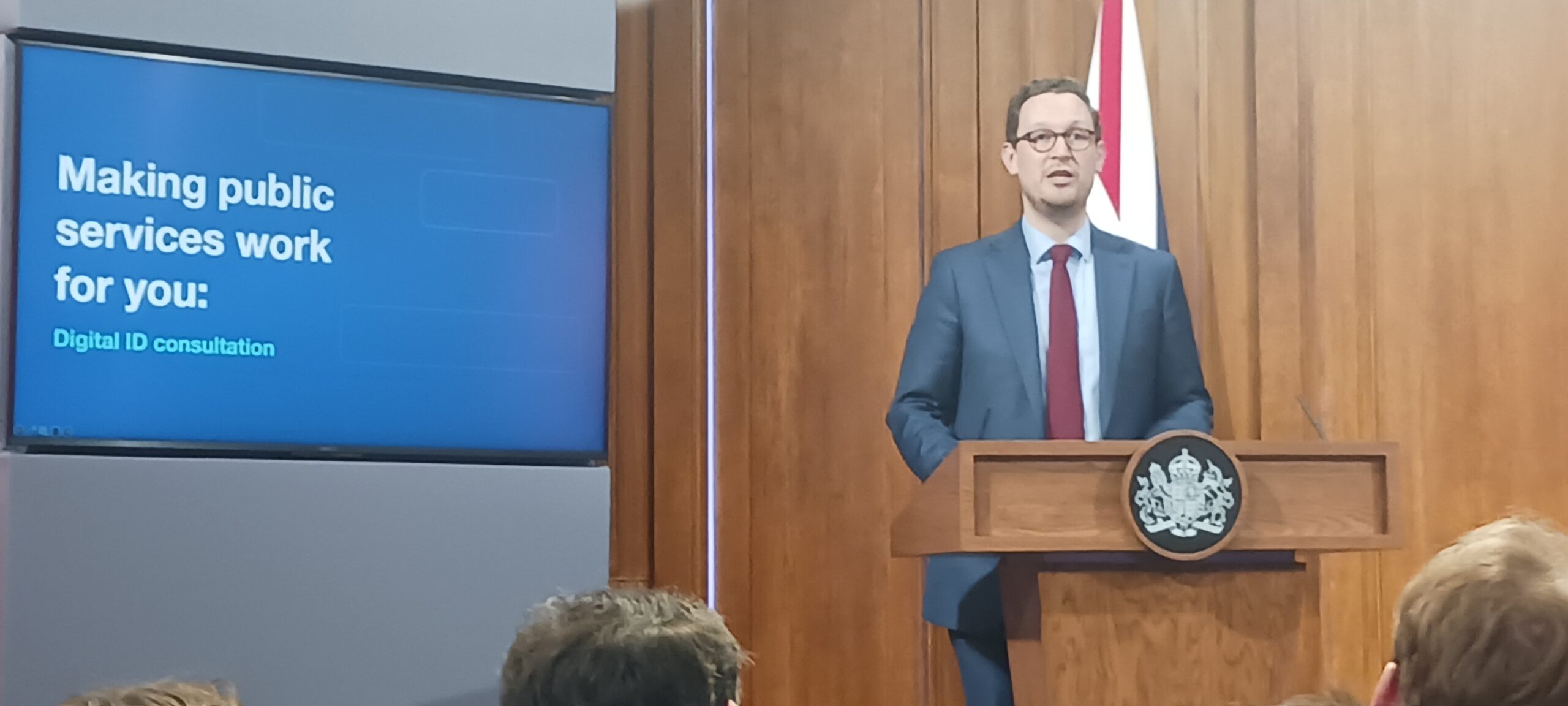

Ahead of a key public consultation process, a minister has provided insight on government’s perceived potential benefits of offering virtual identity documents to the youngest UK citizens in legal employment
As it prepares to open a public consultation on the possibility of extending the new digital identity regime to 13-year-olds, a minister has claimed that doing so “could streamline administrative processes… and support children’s online safety”.
By 2029, the use of a state-issued digital identity will be mandatory in all employment checks – meaning that, as with National Insurance numbers, electronic IDs will be issued to all citizens as they pass their 16th birthday.
But government has previously indicated that the rollout may be extended to children as young as 13 – who, in a number of local-council areas, can be legally employed for part-time roles. In regions where this is not the case, the minimum age for paid employment is 14.
The potential expansion of the new identity programme to cover children of legal working age will be subject to an upcoming public consultation, which will seek feedback on numerous policy and operational aspects of the plans.
Ahead of this process, Cabinet Office minister Josh Simons espoused the potential benefits of providing 13-, 14-, and 15-year-olds with a digital ID document.
Related content
- Parties across the spectrum united in opposing Starmer’s digital ID plan
- ‘Once digital ID infrastructure exists, it very rarely stays confined to its original purpose’
- Digital ID booze-buying checks expected by the end of year
“The government has announced plans for a new national digital ID for all UK citizens and legal residents aged 16 and over, and we will consult on lowering the proposed minimum age to 13,” he said. “Extending the national digital credential scheme to include 13–16-year-olds could streamline administrative processes involved in employing young people. Inclusion of this age group could also support children’s online safety by supporting age verification for online services in line with the Online Safety Act 2023.”
Simons’ comments were made in response to a written parliamentary question from Neil Duncan-Jordan – elected last year as a Labour MP, but was suspended from the party this summer after opposing government policies in areas including proposed cuts to Winter Fuel Payment allowances.
Duncan-Jordan’s enquiry is one of a wide range of questions directed at government since it announced its digital ID plans in September.
Answers to previous enquiries have revealed that electronic documents may be supplemented by a physical ID card, and that the UK’s Crown Dependencies and British Overseas Territories will be offered opportunities and support to adopt digital ID – but that it will be up to local legislators to decide the extent to which to do so.