
Government’s technology unit has reactivated its local government ambitions with the launch of a specialist new team, the work of which will be supported by a skills and careers hub
The Government Digital Service has unveiled a dedicated unit for working with local authorities, as well as a new hub to connect technologists throughout the public sector.
GDS Local has begun life with three core objectives, the first of which is to develop an overarching strategy for technology across local government. This will involve working closely with sector experts, including representatives from the Ministry of Housing, Communities and Local Government and the Local Government Association.
The aim of the strategic plan will be to “create the foundations for a new, joined-up approach to buying… and building technology that aligns with the goals of the blueprint for modern digital government”, according to new guidance on GOV.UK.
The second of the stated aims for GDS Local will be “unlocking data potential”, an area in which the unit will have a remit to “break down barriers to data sharing across services… [so] teams can better access the data they need to make informed decisions, identify trends and demonstrate impact”.
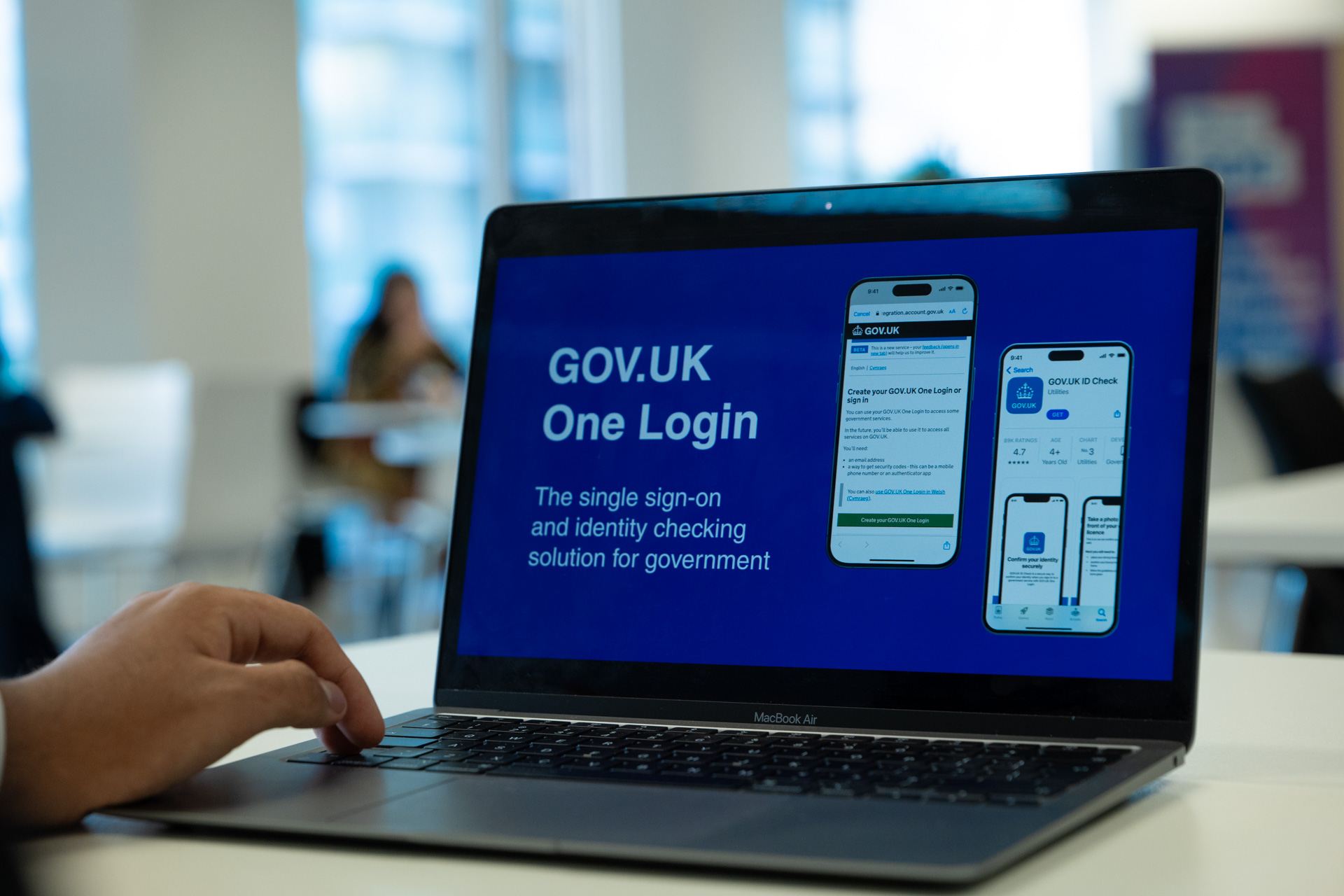
The final key strand of the work of new team’s work will be “making GDS products available” to local councils throughout the country. This will include making sure authorities can deploy the likes of the GOV.UK App and One Login tools.
“This could mean residents using a single sign-on and identity verification service to access both central and local government services, dramatically reducing form-filling and repeat verification,” the guidance says.
The launch of GDS Local marks something of a re-energising of the digital unit’s local government ambitions. It was announced during the Budget in 2015 that GDS’s scope would be significantly expanded to play a much greater role in supporting the local authorities.
While some inroads were subsequently made, the scale of the GDS’s involvement in the wider public sector never matched the vision set out in the fiscal exercise – not least because the nine years since have encompassed six prime ministers, the Brexit vote and process, the Covid pandemic, and several major reorganisations of GDS itself.
Related content
- ‘Councils are at the forefront of embracing and utilising digital tech’ – how the LGA is bringing SME innovation to local government
- Local government leaders must give permission and support to digital colleagues to create the right future
- Lancashire plans £4m ‘digital front door’ as local gov reorg looms
But, following the election last summer, GDS, in its new home in the Department for Science, Innovation and Technology, has expanded and is now bigger – and, arguably, more influential – than it has ever been.
Minister for digital government, Ian Murray, said: “For too long, local councils have been left out of the digital transformation happening across central government, despite delivering the services that matter most to, and are closest to, people’s lives. That changes today. GDS Local will help end the postcode lottery for digital services, giving every community access to modern, joined up and reliable online services. This is about making government work seamlessly for people wherever they live and delivering the world-class local digital experience they rightly expect.”
Cllr Dan Swords, the Conservative leader of Harlow Council Chair of the LGA’s Public Service Reform and Innovation Committee, welcomed the announcement.
“The LGA has long championed the transformative power of digital technology to drive public service reform and improve the lives of our residents. We are delighted to see DSIT dedicating a new team, GDS Local, to the unique digital challenges facing local government. Alongside the work of both the LGA and MHCLG, this new team offers a fantastic opportunity to accelerate the pace of transformation, helping councils use data and technology to deliver services that are more accessible, efficient, and tailored to local need.”
The operations of GDS Local will be supported by another new initiative – the Government Digital and Data Hub – a website intended to provide a facility “where public sector digital and data professionals can learn, connect and share expertise”.
“The Hub brings together staff from central government, local councils, the NHS and other public bodies in one place for the first time,” the government said. “It gives them access to training courses, career guidance, networking events and practical resources to help improve their skills. The platform will help grow the UK’s public sector digital workforce, ensuring staff have the skills needed to deliver faster, simpler and more secure services for the public. “