
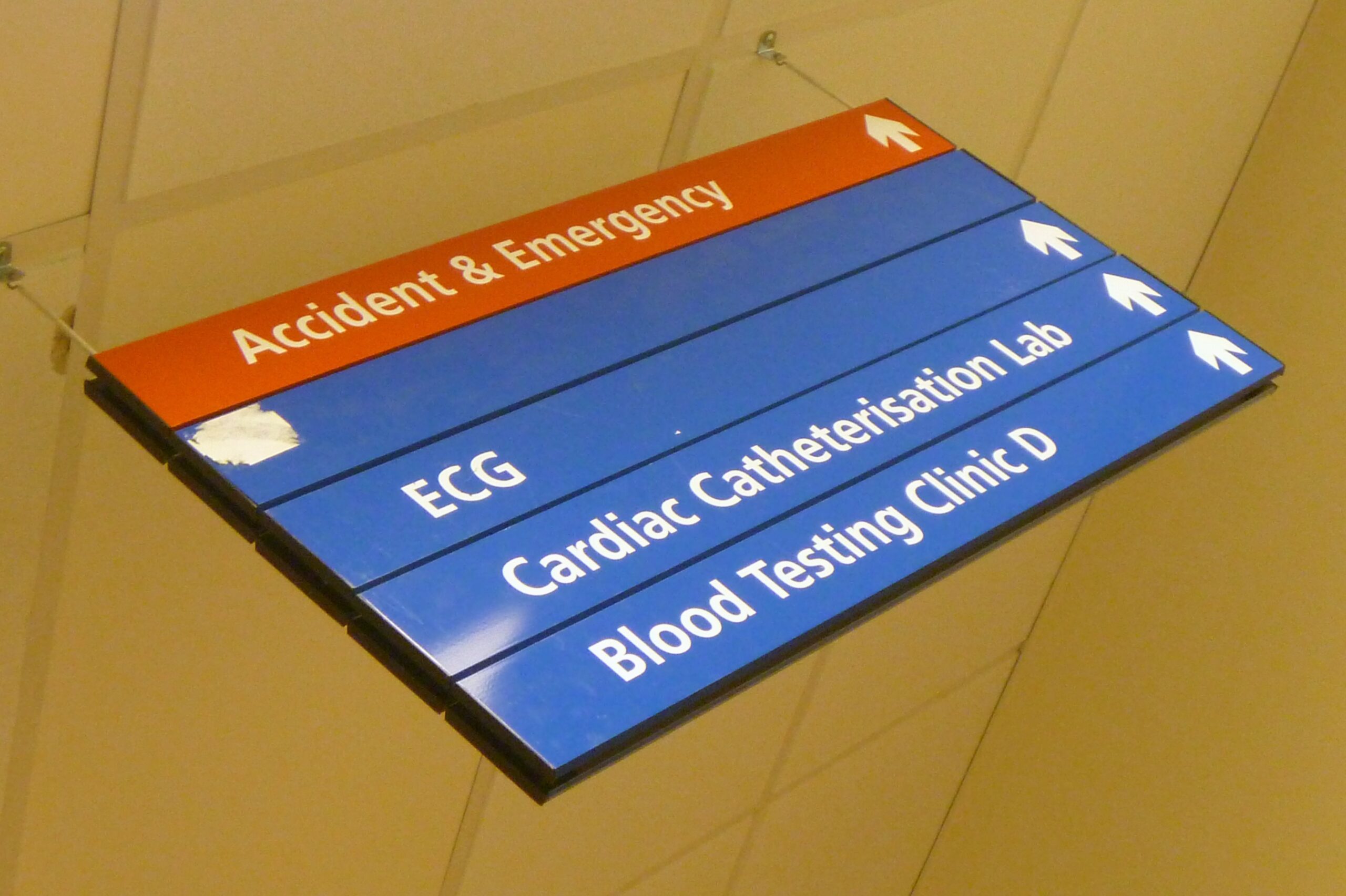
A new tech system is designed to support hospitals’ planning by collating and analysing info on typical hospital admissions, as well as data in areas including forecasts for upcoming weather
Organisations across the NHS have deployed a new forecasting tool which uses artificial intelligence technology to anticipate pressures on accident and emergency departments.
The system brings together various types of data, including information on hospital admissions, as well as temperature forecasts from the Met Office. This is then analysed “to highlight regular pinch points where demand is likely to be higher across the course of the year”, and produce short-term “forecasts for the coming days and weeks which hospitals can use to more effectively manage resources”.
In doing so, the aim is to support hospitals in undertaking “smarter planning for shifts and bed space in the long-term, reducing last-minute pressure”.
The technology has been made available to all NHS trusts and, according to the government, it has already been deployed by 50 separate entities – including the integrated care boards representing Coventry and Warwickshire, and Bedfordshire, Luton and Milton Keynes.
Related content
- NHS app aims to extend hospital services to 100 trusts by next year
- NHS online hospital to offer millions of appointments a year in ‘significant reform to healthcare’
- Labour’s NHS plan promises ‘tech entrepreneurs and AI in every hospital’
Government claims that feedback from these organisations so far has been supportive, and “hospital managers have praised its impact in supporting them to make better decisions about staffing and capacity”.
Technology secretary Liz Kendall said: “AI is already improving healthcare by speeding up diagnosis and unlocking new treatments. Now we are going a step further. By helping to predict demand, this AI forecasting tool is getting patients the care they need faster while supporting our incredible NHS staff. That means easing pressure by ensuring the NHS is at the forefront of the latest technology during the busiest time of year.”
The introduction of the forecasting technology comes as a record number of cases of the flu has intensified the typical winter pressures on emergency departments, according to the government, which added that “with the tool being constantly trained on seasonal health data, it will help to spot surges in demand for health services before they happen”.