
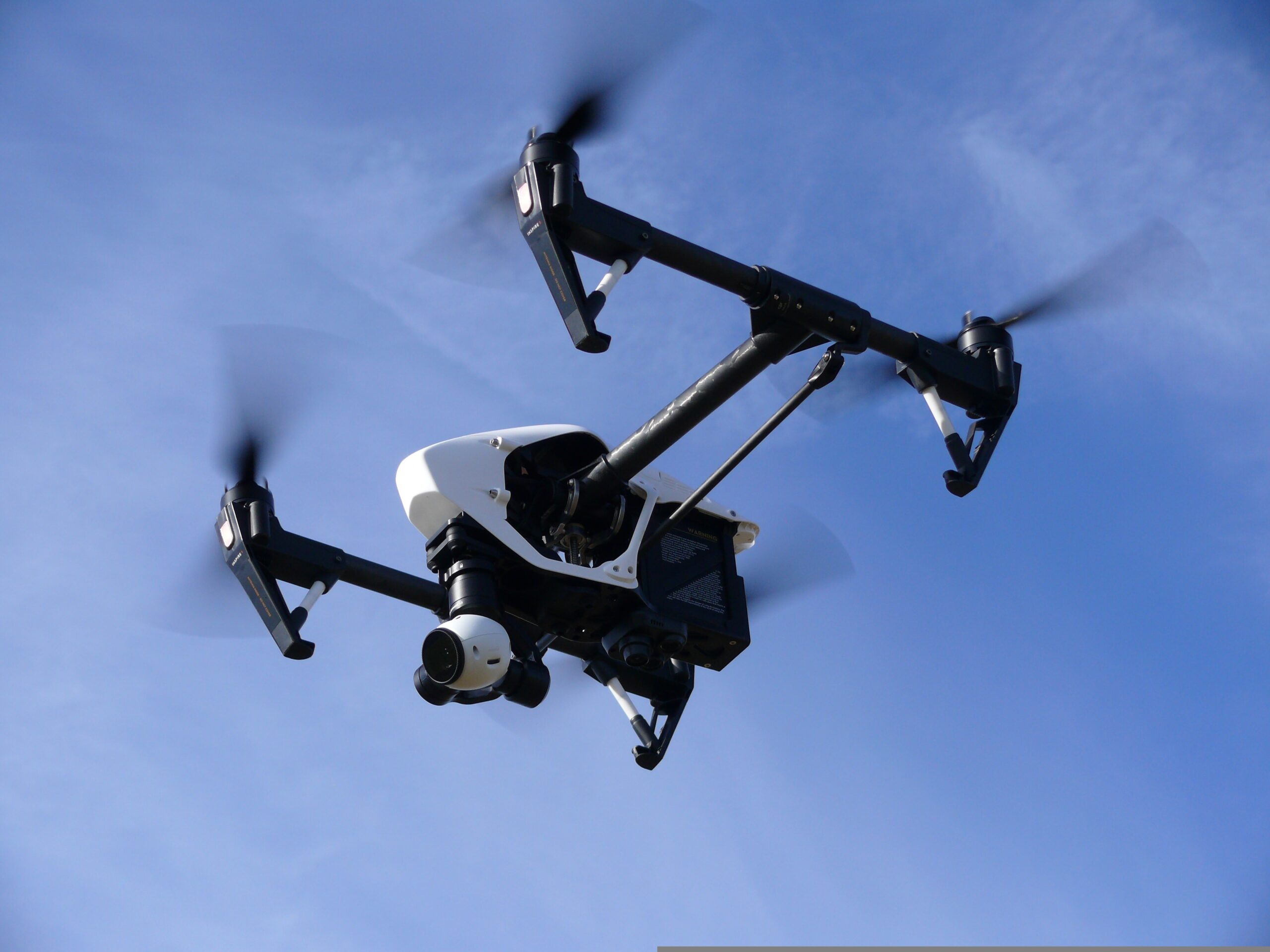
Remotely piloted aircraft will be fitted with laser-mapping technology that allows for the creation of highly detailed records of illegal dumping sites as part of a £5m enforcement budget boost
The Environment Agency is expanding its use of drones as part of a new package of surveillance and investigative measures targeting waste criminals, paid for through a £5m increase in enforcement funding.
As part of the move, some of the EA’s 33 remotely-piloted aircraft will be fitted with light-detection and ranging technology – lidar for short – to provide highly detailed maps of illegal dumping sites.
The agency said it has already stepped up its use of drone surveillance in relation to waste crime, with craft in the air for 272 hours since July last year.
It said the laser-mapping technology upgrades, which are set to be introduced shortly, would provide records of illegal activity that can be used as evidence in court to help bring waste criminals to justice.
Related content
- Security warning as data shows spike in illegal drone flights
- MoD trails £1bn investment in cyber and drones
- Scottish islands progress use of drones in public services
Lidar, which builds up maps by firing millions of laser points per second towards the ground, is currently mainly used by the EA to capture flooding information with the aid of a dedicated aircraft.
Additionally, the agency has developed a new screening tool that enables officers to scan and cross-check HGV operator licence applications against waste permit records – flagging suspect operators before they have a chance to move waste illegally.
The tool trawls weekly reports from the Office of the Traffic Commissioner listing all new applications for operator licences and compares the data with the EA’s public register of operators holding waste permits and waste carrier licences.
The EA said the software means its officers can identify and target potential offenders before they begin operating. It said the tool was trialled in East Anglia, where it helped the agency uncover a waste company that had secretly relocated its HGV operations to evade enforcement.
The agency said the software flagged the new operating centre within a week, allowing EA officers to intervene before a licence was approved.
The new drone and software capabilities are backed by an expanded Joint Unit for Waste crime at the agency, which is a non-departmental public body sponsored by the Department for Environment, Food and Rural Affairs.
Phil Davies, who is head of the unit, said the agency is committed to cracking down on waste crime.
“Illegal waste dumping is appalling, and we are determined to turn the tide on this heinous crime,” he said. “With organised criminals becoming ever more sophisticated, we are adopting new technologies to find and, importantly, stop them.
“Through the greater use of drones, stronger partnerships and more officers on the ground, we will build on our action so far and send a clear message to those committing waste crimes – we will stop you.”
Environment secretary Emma Reynolds said: “This government is aggressively pursuing waste criminals and bringing offenders to justice.
“By increasing the Environment Agency’s enforcement budget by over 50% to £15.6m, we’re investing in cutting-edge technology that allows us to shut down illegal operators faster and more effectively.
“From advanced laser-mapping to drone surveillance and new vehicle-scanning tools, this technology is helping us track, expose and stop waste crime, ensuring those who blight our communities are held to account.”
The EA said its latest drive built on a “record year for waste enforcement” in which 751 illegal waste sites were shut down.