
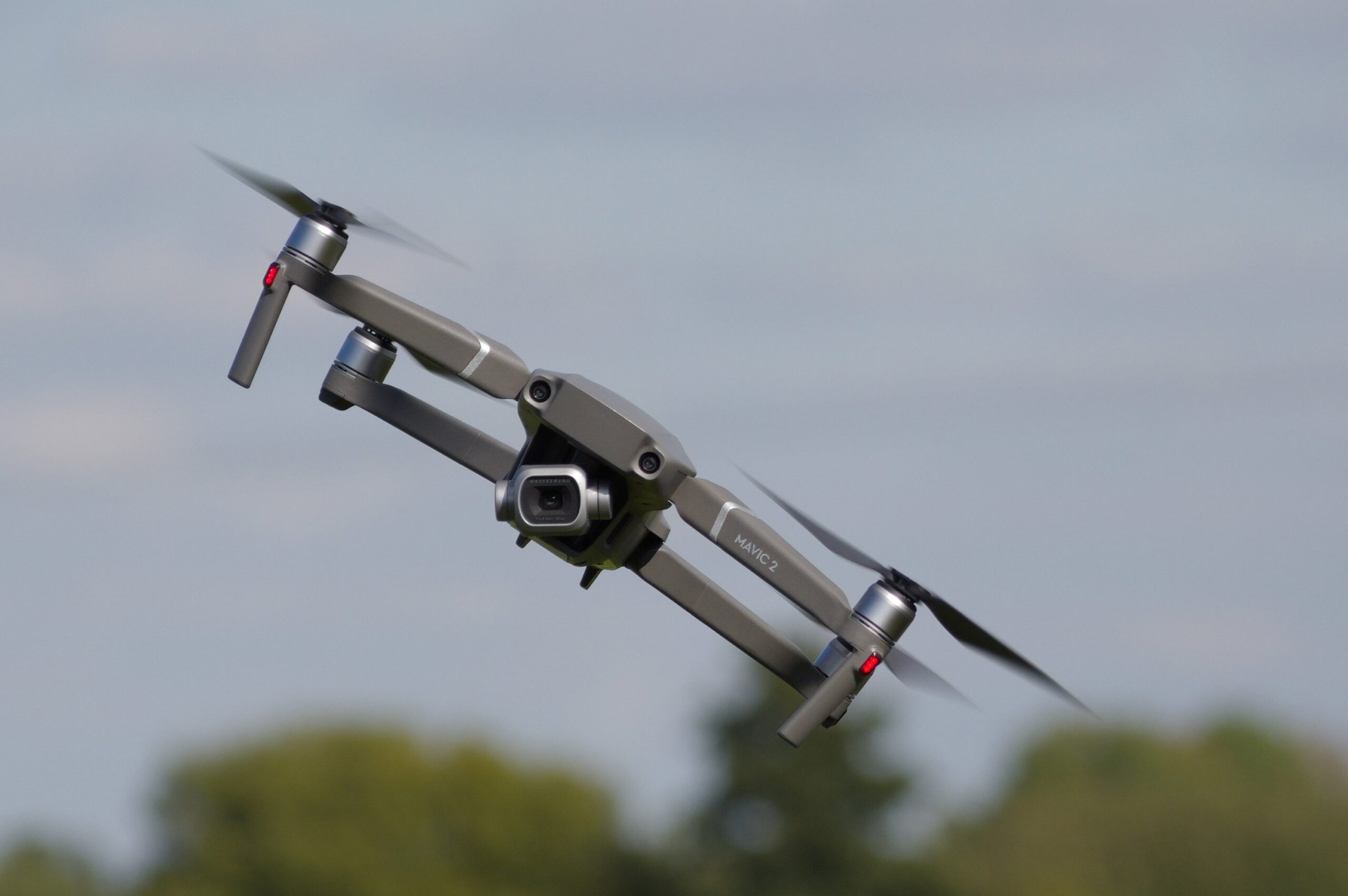
Academics have warned of the serious dangers posed by the remotely controlled small aircraft as part of a wider and increasingly complex picture of hybrid forms of warfare and terrorism
The UK transport infrastructure is critically vulnerable to hostile drones, an expert has warned, as figures revealed a surge in unauthorised drone flights over UK airports.
A recent report from the House of Commons Defence Committee noted that UK and European civilian infrastructure is at risk from aerial attacks and sabotage, citing the incursion of unidentified drones into the continent’s commercial airports.
A Freedom of Information response provided to PublicTechnology sister publication PoliticsHome further underscores the growing challenge to UK security posed by drones.
In 2023, 43 incidents of unidentified drone incursions into airports were reported to the Transport Security Directorate. Last year, the number rose to 70 incidents – a rate of around one every five days. In 2025, 83 incidents had been reported between 1 January and 9 October.
It means that the number of unauthorised drones reported flying in the controlled airspace of British airports has almost doubled in the space of just two years.
It is illegal to fly a drone within 5km of any airport, given the safety and security risks they can pose. Unauthorised drone flights will typically lead to shutdowns and disruption at an affected airport.
An expert told PoliticsHome that, while an increased availability of cheap drones will likely have driven the rise, this access is ripe for exploitation by hostile actors conducting hybrid warfare or terrorism.
Dr Marina Miron of King’s College London’s War Studies Department said small incursions, even with non-lethal drones, could “paralyse the entire system”.
She added that the UK does not have “any sort of viable defences” to protect against a lethal drone swarm attack. “We wouldn’t have enough interceptor missiles or enough fighter jets to shoot them down, and even if we did, it would be an enormous amount of money spent on defence,” she said.
Related content
- MoD trails £1bn investment in cyber and drones
- Terrorism: Government keeping tabs on potential for radicalising chatbots, minister says
- ‘The nature of warfare has fundamentally changed’ – defence secretary looks to invest in tech
It comes as the use of drones on the battlefield and in hybrid warfare continues to grow, most notably in Russia’s ongoing attack on Ukraine.
Poland reported several drones entering its airspace in early September, which the country’s deputy prime minister, Radek Sikorski, said was an “unprecedented case of an attack, not only on the territory of Poland, but also on the territory of NATO and the EU”.
In the same month, several European airports reported numerous sightings of drones in their controlled airspace – sparking major disruption and hours of delays.
While the cause is not yet known, officials in Denmark claimed the drones were part of a “hybrid attack”.
Defence Committee chair Tan Dhesi said: “The threat from drones is not confined to the battlefield. Incidents at UK airports and across Europe show how vulnerable our critical infrastructure is to grey zone attacks.”
Dr Miron added that criminals and terrorists might use drone disruption at airports to distract the authorities while they stage other crimes or attacks elsewhere.
A government spokesperson said: “We are working cross government to explore additional steps to protect sensitive sites. This includes the use of counter-drone technology to detect and deter unauthorised activity around critical infrastructure, such as airports, prisons, and defence establishments.”

A version of this story originally appeared on PublicTechnology sister publication PoliticsHome