As well as discussing new technology, second permanent secretary also told MPs that the organisation wants to recalibrate its relationship with other departments to create ‘less micromanagement but more transparency’
A senior leader at HM Treasury has suggested that artificial intelligence could take on more menial administrative tasks currently performed by civil servants.
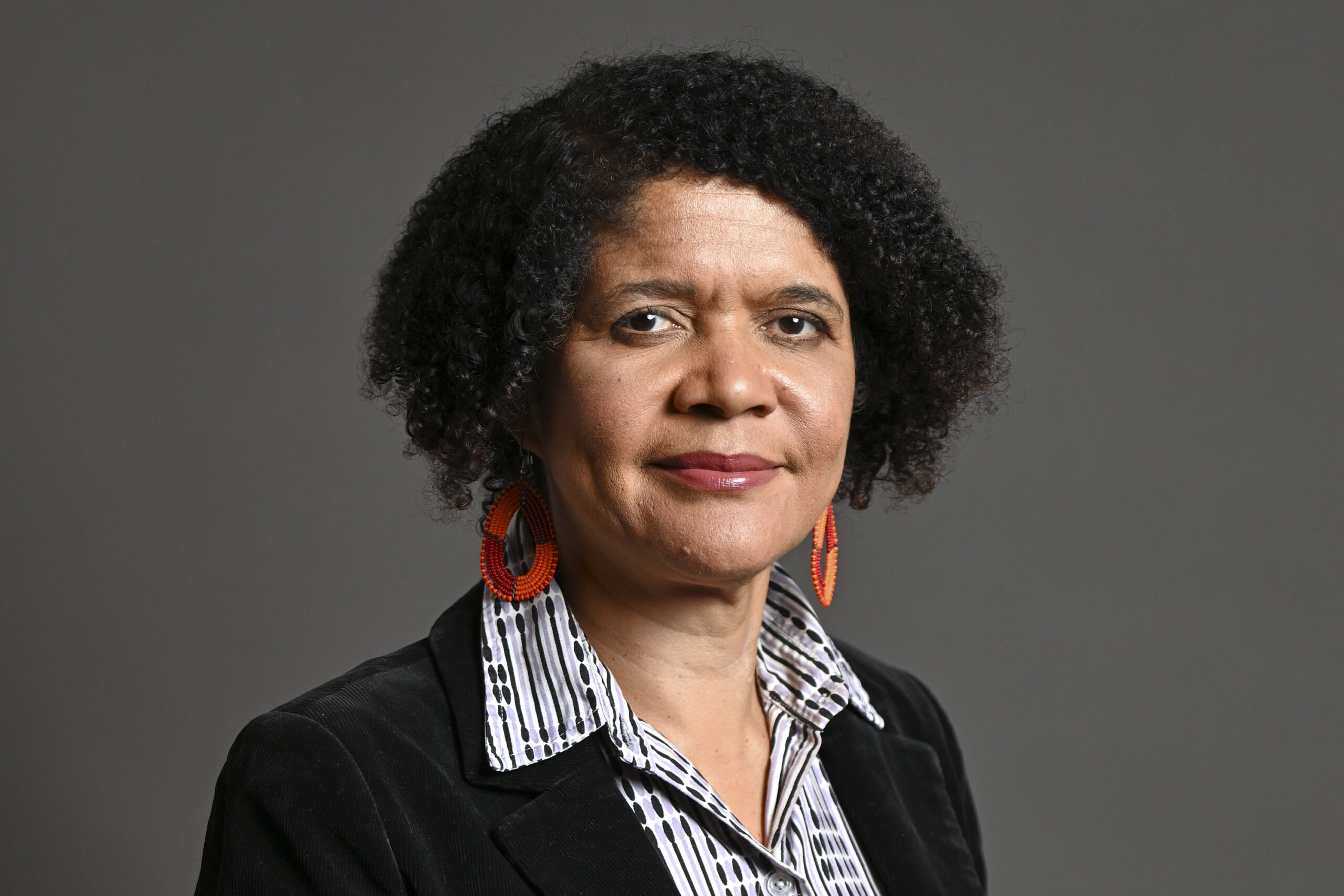
Appearing before parliament’s Treasury Committee last week, second permanent secretary Beth Russell told MPs that the finance department is “looking at AI as a complement to what our staff are doing to help improve the outcome but also relieve them off some of the lower value work to enable them to focus on the higher value work”.
Explaining how the organisation is already using AI, she said: “The Treasury is not an operational department like a lot of other large government departments. We do have some operational aspects of our work which we are particularly looking to use AI to change and improve. So things like correspondence, our office and financial sanctions casework, I think we’re the first department to have an HR chatbot. So, in our operational processes we’re already using AI.”
Russell added: “For our policy teams, we’re rolling out and testing now general purpose tools. So we’ve got our own HMT GPT. We’re trialling Copilot at the moment with 25% of our staff, and what we’re doing in the policy space is doing some deep dives across our policy teams about how AI can help compliment and improve the policymaking process, so right from researching issues through to helping them write advice, presentations, consultations where we can use AI to analyse responses.”
Related content
- Treasury signs £1.3m deal to bring AI and automation to 20-year information lifecycle
- Treasury to deploy AI as part of ‘modern, digital approach to spending review’
- Treasury appoints unpaid ‘AI champions’
The second perm sec told the committee that AI is also one of the ways “in which we can achieve the same outcomes and the same quality of policy advice with a slightly smaller workforce”.
Elsewhere, Russell said that the Treasury is working on a “project reset” plan to reset the Treasury’s relationship with other departments. She indicated that the ultimate aim of this will be to build a positive culture where the Treasury works more in partnership with other departments.
“Can we get to a position where there is less micromanagement but more transparency from departments?” Russell said. “And how do we get the incentives right for the Treasury to be involved a bit more earlier and upstream in decision making? And I think the quid pro quo is then there isn’t a delay later where we’re trying to mark people’s homework and have big assurances processes late on.”
Russell said this will include finding ways to get more information from departments in “real time to enable us to really focus on the insight rather than the transactional bit of the relationship”.
She added that this type of collaboration does already happen “with a lot of departments”. She said that, for example, she works very closely with HM Revenue and Customs and the Department for Work and Pensions, and the Treasury sits on their investment boards and delivery boards.