
The NHS could not only make use of digital tools, but create a global alliance to maximise the benefits of technology, according to Haman Manak from construction services firm Stanmore
NHS England has a long-term vision to transform healthcare services – and digitalisation is set to play a starring role.
Its upcoming “online hospital” service, NHS Online, is a core part of this digital transformation. By enabling patients to have assessments and check-ups online, it aims to increase access to care and improve waiting times.
In early January, the NHS released a list of nine conditions that the service will initially prioritise, including menopause, prostate enlargement, and inflammatory bowel disease, with the expectation that more conditions will be added over time.
It is a brilliant step towards equitable access to healthcare. But I also cannot help but feel that there is a missed opportunity to address one of the most pressing issues facing the NHS at present: the growing pressure on mental health services.
Digital tools can help ease some of the strain, and NHS Online is the ideal platform to increase awareness of and access to digital mental health services.
NHS Online is an opportunity to tackle that backlog by connecting people with digital mental health tools and services. And to do this quickly, responsibly, and cost-effectively, the NHS should look to leverage the experience of its fellow Commonwealth countries – many of which have previously developed or backed digital mental health interventions (DMHIs).
I think the UK can go further than simply drawing inspiration from countries like New Zealand or Australia. We should launch a digital mental health alliance: pooling talent, data, and resources to develop DMHIs that can be adapted and deployed across the Commonwealth.
Awareness and access
The UK government has made no secret of its concern for the growing demand for mental health services, to the extent that health secretary Wes Streeting has ordered a review into increasing rates of mental health conditions and ADHD
Waiting times for mental health support are at a critical level, with 1.7 million people on a waiting list, and some waiting up to 18 months for treatment. Demand is far outstripping resources, and it’s not without consequence: over a third of people said their condition deteriorated while they waited to be seen by their GP.
From a humanitarian perspective, it is imperative that people receive the support they need. But operationally, it is also critical that pressure on mental health services is eased. Occupancy rates for inpatient services are at a level far beyond safe, and NHS Trusts are facing “crisis-levels” of staff shortages.
This growing demand for mental health support – and the NHS’s inability to meet it – is a complex, multifaceted issue. There is no single fix. But digital tools can help ease some of that strain, and NHS Online is the ideal platform to increase awareness of and access to digital mental health services.
Free-to-access DMHIs – such as self-guided apps or computerised cognitive behavioural therapy (CBT) – broaden access to evidence-based mental health support, and with less impact on resources than traditional in-person treatment. They can be used at multiple points along the care journey: while waiting for in-person services; in place of in-person services; or alongside traditional care routes. Studies have found favourable outcomes from DMHIs, especially for common conditions like anxiety or depression.
They give people flexibility, choice, and the power to seek out support themselves without necessarily having to rely on NHS care providers. People can access support sooner, particularly those with mild-to-moderate conditions. And earlier intervention yields better results; instead of sitting on a waiting list for months, people can address their condition at an earlier stage, before symptoms escalate.
Drawing on the Commonwealth
Some of the UK’s Commonwealth neighbours began to explore the possibilities of mental health tools during the pandemic. And, in the years since, they have continued to develop and support digital services that connect citizens to mental health support.

New Zealand, in particular, has backed a number of tools. One example is Groov, a free-to-access app that enables users to track their mood, access self-help offering, and seek wellbeing advice from its AI-powered chatbot ‘Ask Groov’. There is also the government-backed Beating the Blues, an online CBT service.
These services provide a blueprint for what digitally based care can look like – a blueprint that would be wise for the NHS to adapt as it moves forward with its own efforts to digitalise healthcare in the UK.
But I think we can go a step further than that. Where the UK can make an outsized difference in mental health care is by forming a digital mental health alliance with fellow Commonwealth nations.
Some countries have already developed models for digital support. Others have made digitalisation of healthcare a strategic priority. And though each nation has its own unique culture and population, they are united by a shared belief in equitable, universal health coverage.
The Commonwealth already has frameworks in place for cross-border collaboration and skills sharing, such as the Connectivity Agenda for Trade and Investment. Bolstered by similar legal systems, a strong foundation is laid for a digital mental health alliance.
But what would this look like in practice?
By pooling resources and ideas, the UK – and its fellow Commonwealth countries – can pilot existing tools, adapt them to local needs, and collaborate on the development of future DMHIs. In doing so, development costs are shared, and the timeframe between idea and execution is shortened. Equally, it will expand the number of people testing each app or platform; not only increasing the accuracy of the digital services, but ensuring they are trained on more diverse groups.
Itis vital to note that digital tools are not a cure-all. Nor will they always work as an alternative to in-person services. The important thing is to have them as an available option – to enable people to take their care into their own hands and opt for the services that work best for them.
And NHS Online is the ideal platform to increase awareness of and access to the available digital services, acting as a portal that can redirect people to the various apps and tools at their disposal.

As the NHS grapples with rising demand and pressure on resources, digital mental health tools offer a way to ease that strain, benefitting both patients and healthcare providers alike. The current situation is not tenable. No one should have to wait two years for care.
Until we explore alternative, digital solutions, we risk the situation worsening – and public wellbeing will pay the price.

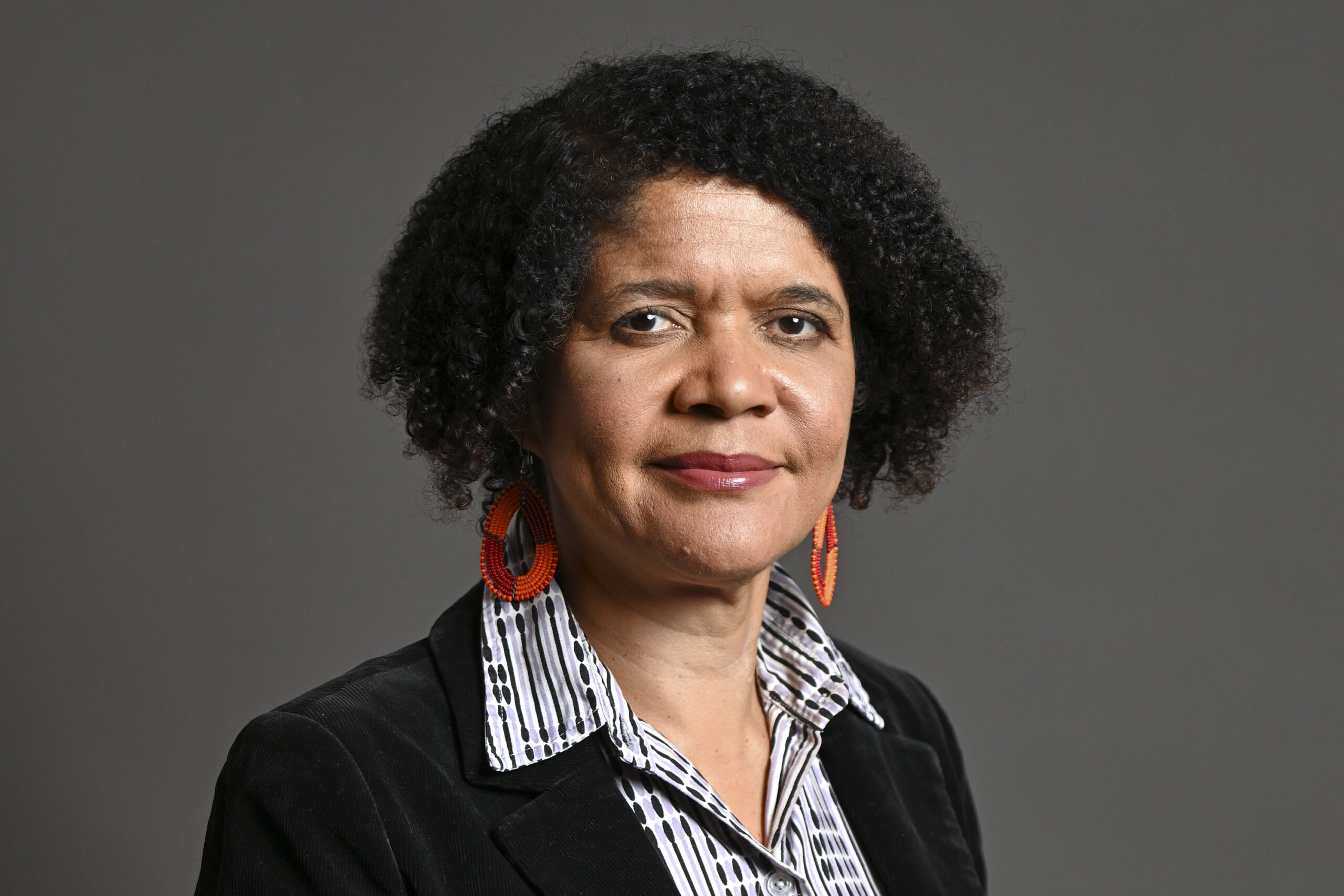
Haman Manak (pictured above right) is deputy managing director of construction services firm Stanmore