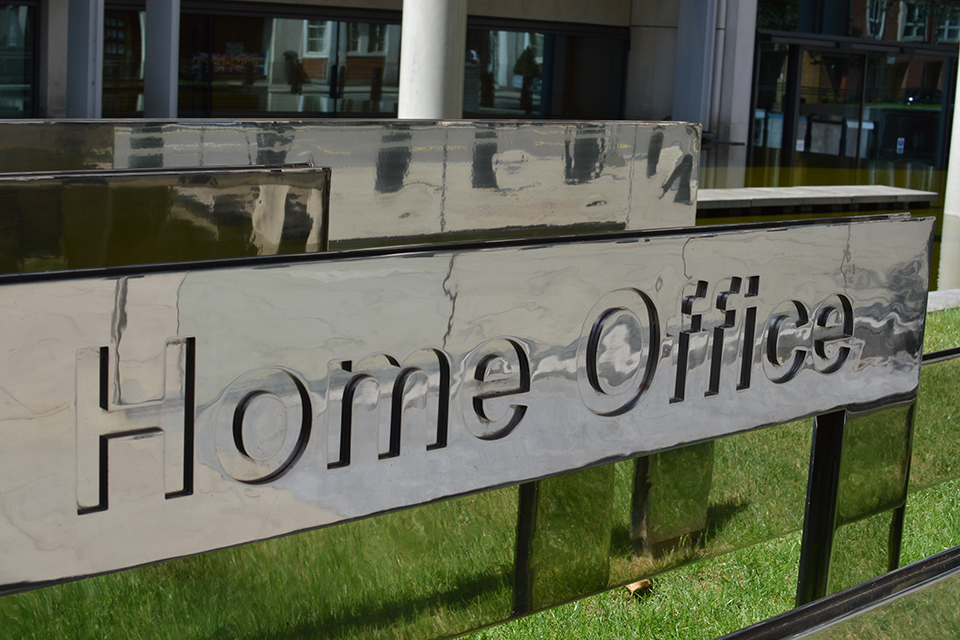

With the electronic regime to be expanded soon to encompass many individuals and small firms, the department releases details of how people can be exempt on health or religious grounds
As HM Revenue and Customs prepares for a major expansion of the UK’s digital tax regime, the department has revealed that individuals and small businesses can be exempt from mandatory electronic filing if they are considered digitally excluded.
The department’s flagship Making Tax Digital (MTD) programme has already been rolled out across all VAT returns and, after a postponement of two years, on 6 April 2026 the scheme is scheduled to extend to income tax payments made by the self-employed, landlords, microbusinesses, and tax agents working on clients’ behalf. Initially, those earning more than £50,000 a year will be required to switch to the digital system, followed – in April 2027 and April 2028 – by those with earnings above £30,000 and £20,000, respectively.
Six months out from the mandation of digital income tax returns, HMRC has opened applications for an exemption process for those who would otherwise soon be required to switch to MTD – which requires the implementation of specialised third-party software accredited by the department.
The tax agency has also revealed that the exemptions will be made for those considered to be digitally excluded – which “means it’s not reasonable for you to use compatible software to keep digital records or submit them to HMRC”, according to new online guidance published on GOV.UK.
Citizens are advised that possible grounds on which HMRC will consider them to be digitally excluded include “your age, health condition or disability stops you from using a computer, tablet or smartphone to keep digital records or submit them to HMRC; you’re a practising member of a religious society or order whose beliefs are incompatible with using digital communications or keeping digital records;… [or] you cannot get internet access at your home or business because of your location, and cannot get access at a suitable alternative location”.
Exemptions will not be granted, HMRC added, if users believe that MTD will cost them more money or take more time than the current regime, nor on the grounds of a lack of knowledge of the necessary software. The guidance also discourages applications from those who wish to be exempt because they only “have a small number of digital records to create each tax year” or simply because they “previously filed a paper return”.
Individuals can apply for their own exemption, while tax agents or friends and family members can also file an application on behalf of someone else. Those wishing to apply are advised to contact HMRC via phone, letter, or online chat.
The department said that it aims to respond to all such enquiries within 28 days.
“You should prepare to use Making Tax Digital for Income Tax whilst you’re waiting for us to respond, in case your application is not accepted,” the guidance adds.
Related content
- Market for digital tax software would be ‘undermined’ by own-brand HMRC alternative, minister says
- HMRC launches £1m tech project to explore splitting out VAT in real time
- HMRC takes recent tech contract spend over £1bn with ‘new build’ services deal for Making Tax Digital
Those due to be required to switch to digital filing in April of next year can apply for an exemption now. The cohort of taxpayers that will be affected by the further expansion of the programme in April 2027 and April 2028 will be able to apply for exemption from the preceding summer onwards, the GOV.UK advice indicates.
During the process, applicants will require the contact and National Insurance details, as well as information of current filing tax arrangements of “the reason you think you’re digitally excluded, including any additional information to support your claim”. Applications will also offer the chance “to tell us about any additional needs you have so we can provide the right support”.
Those who have previously been confirmed as exempt from digital VAT payments should also contact the department, if they will also be affected by MTD’s extension into income tax.
In April of last year, HMRC opened a near-two-year testing programme of the digital income tax regime with volunteers invited to sign up to participate and help “influence what the service is like in future”.
The extended trial exercise began a few months after the publication of a report – from an SME advisory body created by HMRC – which praised the department for engaging with businesses’ concerns about the rollout of MTD, but warned that “many challenges remain” before the scheme is delivered successfully.