

GDS signs £40m in duo of deals to boost ‘capability’ for One Login programme
The Government Digital Service has awarded a new contract to existing tech supplier PA Consulting,

Covid inquiry hears Northern Irish ministers’ phones wiped despite ‘explicit and clear’ advice
The head of the Northern Ireland Civil Service has told the ongoing public inquiry that,

Major government tech supplier SSCL faces probe after MoD data breach
Having suffered a hack allegedly orchestrated by Beijing, the firm – whose clients include DWP,
HMRC issues urgent call for traders to switch to new customs system as CHIEF enters final weeks
The outgoing CHIEF platform is finally set to be switched off – meaning that billions

UK authorities unmask Russian as alleged leader of top ransomware gang
After an international investigation, Russian national Dmitry Khoroshev has been named by the UK’s National

EXCL: Work begins to reach new users via major ‘brand refresh’ for GOV.UK
GDS and its commercial partners have begun a dedicated research process that will explore ‘associations’

NHS claims app enabled £1m savings on cost of text messages in FY24
The health service claims that the ability to communicate with patients via its own dedicated

Government unveils first-ever digital version of formal coronation document
A special Coronation Roll has been created for each new monarch over the past 700

GDS pledges user control, data minimisation, and ICO arbitration for new government digital ID service
GDS has published a set of ‘principles’ that will inform and regulate departments’ use of

Home Office pins four-hour passport e-gate failure on ‘network issue’
Biometric border technology system that is used each year by millions of travellers last night

Cybercriminals release ‘substantial amount’ of Scottish NHS data
A ransomware collective that attacked NHS Dumfries and Galloway is reported to have published large

Disclosure and Barring Service retains CGI for application support in £71m deal
Having begun working together in 2019, the Home Office unit dedicated to recruitment checks has

MPs issue warning over WhatsApp-based lobbying
The use of popular instant messaging platforms by officials and ministers should be entirely prohibited

Data of military personnel breached in China cyberattack on MoD, reports claim
The latest in a growing line of cyber incidents has been pinned on Beijing, with
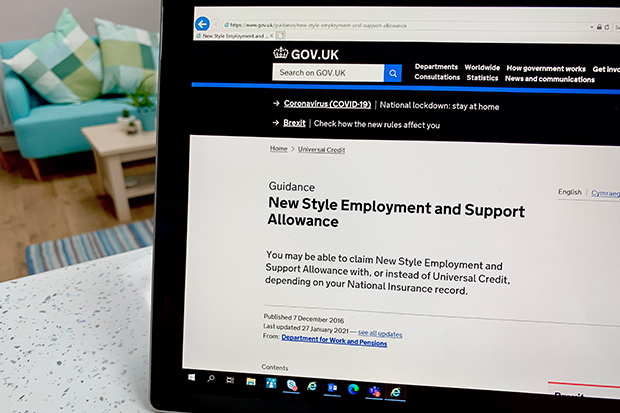
DWP minister pledges processing improvements this year as some benefits missed targets on 96% of claims in FY24
Pensions minister Paul Maynard claims that the department’s processing performance improved in 2023/24 – although

Hebridean council facing £500k bill after cyberattack
Comhairle nan Eilean Siar suffered a suspected ransomware assault six months ago and, in the
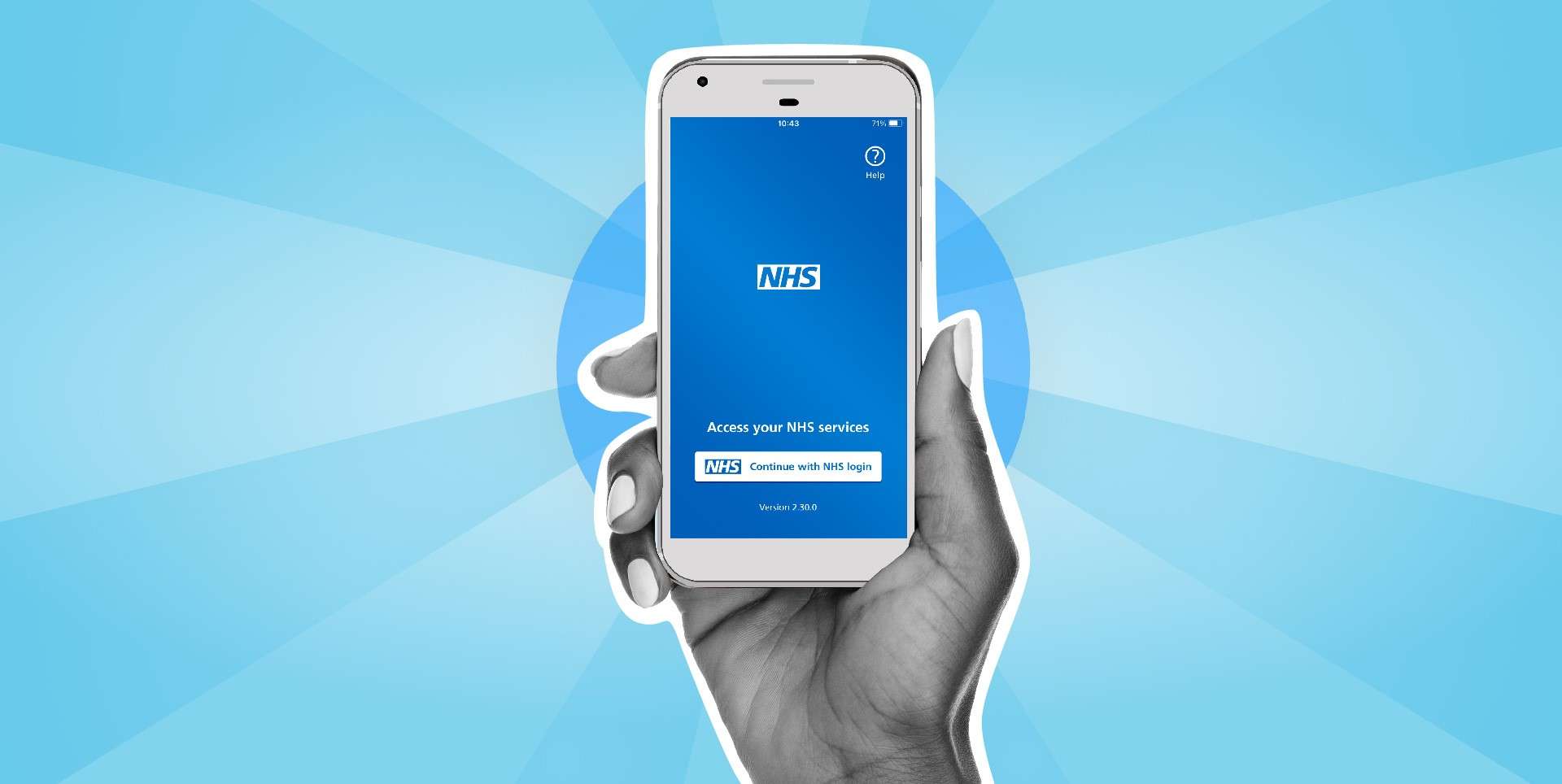
NHS App to offer new login options to help support carers
The health service’s core software program will soon incorporate new means of access beyond its

Scottish Fire and Rescue Service cites ‘robust contingency plans’ after failed bid to find replacement supplier for new 999 IT system
After terminating a £10m contract first awarded in 2018, the emergency service extended legacy provision
