
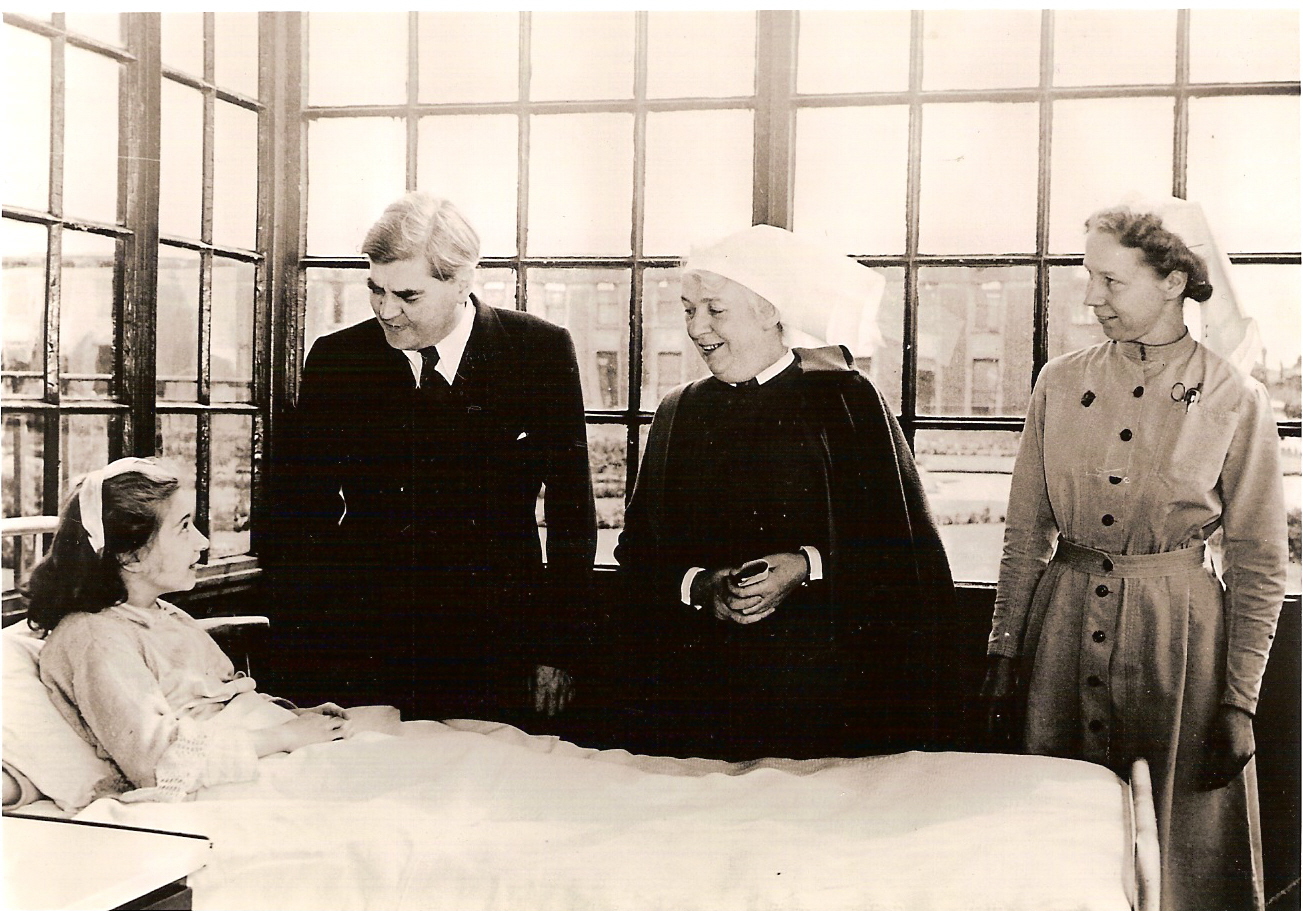
As the current government progresses digital identity, Darren Jones has said the plans should be seen in the same vein as the NHS and Sure Start initiatives of its predecessors
A senior minister has claimed that government’s plan for a state-issued digital identity underpinning app-based public services can be seen as a continuation of a “proud Labour tradition” building on the achievements of figures such as Aneurin Bevan and Gordon Brown.
The implementation of the new digital ID, which is due to conclude by the end of the current parliament in 2029, will be accompanied by the “largest-ever digital inclusion programme ever delivered in this country”, ministers have previously claimed.
Announcing the launch this week of the public consultation which is intended to inform the design and use cases of the identity, chief secretary to the prime minister and head Cabinet Office minister Darren Jones returned to the theme of technology as a means of widening opportunity.
In this context, the plans for “government-by-app” – with services and data connected by new tools and systems – should be seen in the same light as the work of previous Labour administrations in creating new health, education, and support services.
Related content
- ‘You can’t have announced this thing without having any idea of what it will cost?’ – MPs hold minister’s feet to the fire over digital ID plans
- Identity politics: What do we know so far about government’s digital ID plans?
- Digital ID minister replaced with former musician and comms advisor James Frith
“Now the consultation we’re launching today may seem like quite a technical consultation, but it is also deeply political too,” Jones said. “Because, when the public voted for change, they also voted for better public services. And this is exactly what Labour governments do at their best: building new, innovative public services to support opportunity and access for all, rather than just the privileged few. From the NHS in the 1940s. to the Open University in the 1960s to the Sure Start centres of the 2000s today, we are continuing that proud Labour tradition, building modern, digital public services that provide opportunity ,and support for everyone – because this is also about equality of access.”
The minister explained that, when access to public services relies on letters, phone calls, and in-person interactions, “the status quo rewards those who know how to play the system”.
“Those with the resources, the time, the connections, the confidence and perhaps even sometimes the pushiness to navigate what often feels like a labyrinth of confusing and time-consuming checks, forms, rooms and front desks,” Jones added.
Moving to a world where the GOV.UK app offers the round-the-clock availability of services will benefit not just those who currently find it difficult to access government, but all taxpayers, according to the minister.
“It is often those doing shift work, on regular hours, or on low incomes or caring for others, who are then unfairly penalised and feel like they’re at the back of the queue,” he said. “We will change that – digital public services won’t just be more efficient, but they can also be cheaper to run too. Taxpayers are paying a lot for the public services that we are delivering, and the current system of paper forms manual payment systems and duplication means that every time you have to repeat your story to a different part of government, it’s the second, a third, or fourth cost to the taxpayer.”

Image above licensed under CC BY-SA 2.0